
Med mooring has gotten complicated with all the conflicting techniques flying around. As someone who has backed into countless Mediterranean berths with varying degrees of grace, I learned everything there is to know about stern-to docking. Today, I will share it all with you.
Med Mooring Basics
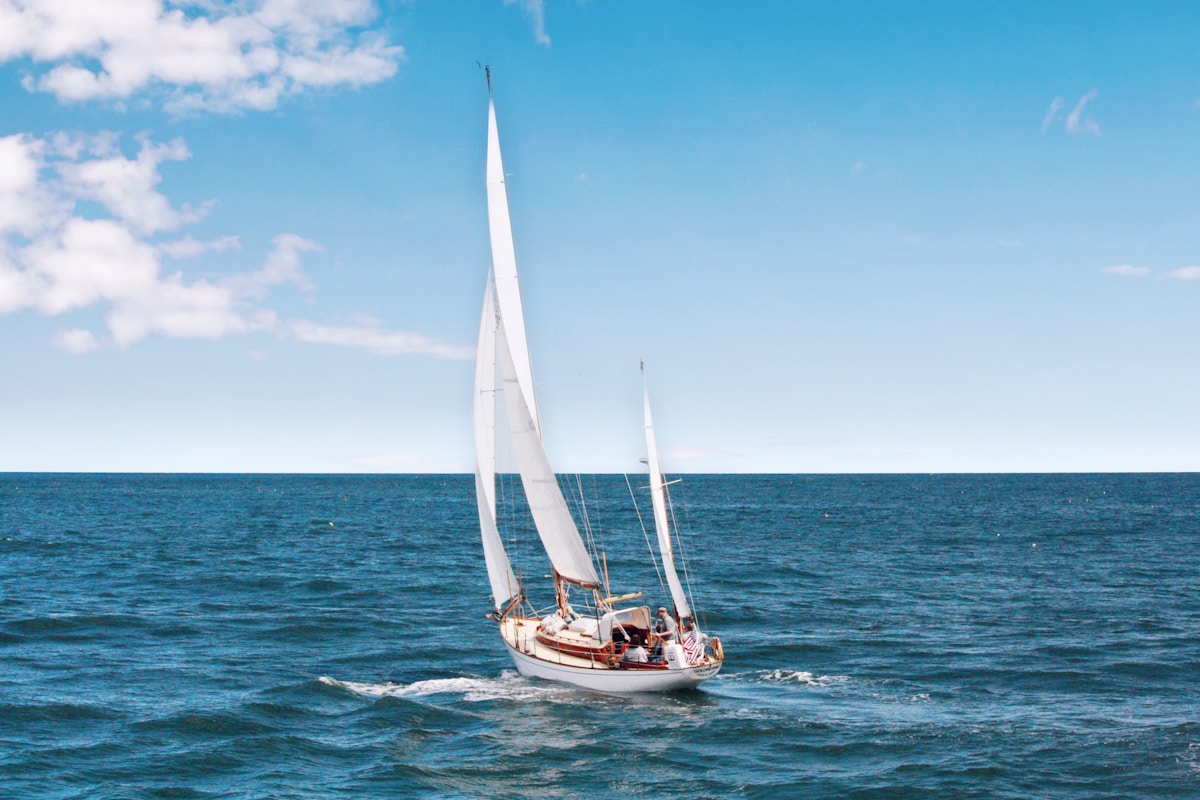
Probably should have led with this section, honestly. In a Med moor, your bow faces out while your stern ties to the quay. You either drop your own anchor or pick up a permanent mooring line from the bottom. Either way, you’re walking off your stern onto the dock—backwards from what most American cruisers learned.
Approach slowly, assessing wind and current. Have fenders deployed on both sides and stern lines ready. Crew communication matters enormously—hand signals work better than shouting over engine noise. Nothing kills a marriage faster than botched docking maneuvers with an audience watching from the waterfront cafes.
Dropping Your Own Anchor
When no permanent moorings exist, you’ll drop anchor 50-75 meters from the quay, then back toward your assigned spot while paying out anchor rode. The challenge lies in setting the anchor while maneuvering in tight quarters with boats on either side.
That’s what makes proper technique endearing to us Med cruisers—get it right and you look like a pro. Use adequate scope despite limited swinging room. Three-to-one minimum in calm conditions, more in strong winds. Your anchor holds the bow off the quay while stern lines control position.
Using Lazy Lines
Many Mediterranean ports provide permanent mooring lines—lazy lines—running from the bottom to the quay. Pick up the line with a boat hook as you back in, leading it forward to your bow. This system eliminates anchor tangling between neighboring boats, which can turn departure into a nightmare.
Inspect lazy lines before trusting them fully. Some ports maintain lines poorly, and I’ve seen them part at inconvenient moments. A backup anchor ready to deploy provides insurance against inadequate ground tackle.
Stern-To Living
Privacy disappears when your stern faces the promenade. Passersby see into your cockpit and saloon—you’re basically living in a fishbowl. Many cruisers adapt by rigging cockpit enclosures or simply embracing the social atmosphere and waving back at curious tourists.
The upside? Easy provisioning, restaurant access steps away, and built-in entertainment watching harbor life. Mediterranean cruising’s charm includes this close connection to shoreside culture. By week two, you’ll be chatting with the same faces who walk past every evening.

Stay in the loop
Get the latest passage maker mag updates delivered to your inbox.