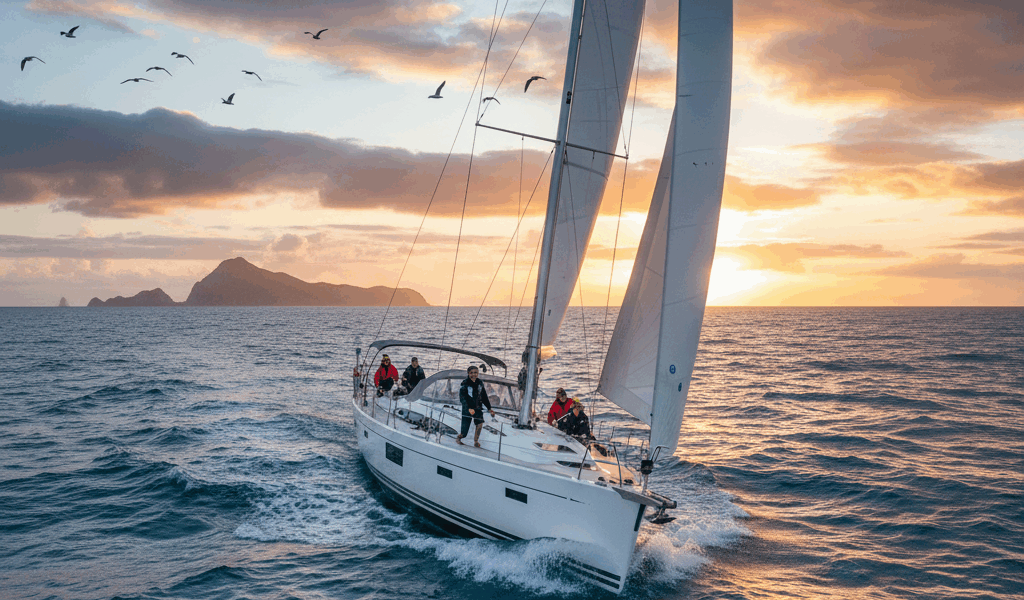
International clearance procedures have gotten complicated with all the post-pandemic regulations flying around. As someone who has cleared into dozens of countries by boat, I learned everything there is to know about avoiding bureaucratic disasters. Today, I will share it all with you.
Documents You’ll Need

Probably should have led with this section, honestly. Passports for all crew with adequate validity—many countries require six months beyond intended stay, and they’re not kidding about that. Ship’s documentation proving vessel registration needs to be current and legible. Crew lists with full names, passport numbers, dates of birth, and nationalities should be typed up and ready to hand over in multiple copies.
That’s what makes proper preparation endearing to us cruisers—it’s the difference between a two-hour clearance and a two-day nightmare. Previous port clearance (zarpe) from your departure country proves legal departure. Some countries require specific cruising permits or visas obtained in advance. Research requirements country by country before your intended route, not after you’ve dropped anchor.
Port of Entry Procedures
Arrive during business hours when possible—showing up on a Sunday means waiting until Monday, anchored and unable to legally step ashore. Fly your yellow Q flag indicating you haven’t yet cleared. In many countries, only the captain may go ashore initially to complete paperwork. Your crew stays aboard, regardless of how badly they want a cold beer.
Visit customs, immigration, and port authority offices in the locally-required sequence. Getting this wrong means being sent back to start over. Fees vary dramatically—some countries charge nothing, others extract significant clearance fees that feel like highway robbery. Have local currency and US dollars available; credit cards often aren’t an option.
Customs Declarations
Declare firearms, alcohol, tobacco, and provisions honestly. Different countries have vastly different rules about each. Sealed lockers for restricted items may be required. Lies discovered during inspection create serious problems—I’ve watched boats get impounded for undeclared firearms. Not worth the risk.
Prescription medications in quantities beyond personal use raise questions fast. Carry prescriptions and physician letters. Some countries restrict medications that are perfectly legal elsewhere, and customs officers aren’t interested in hearing about your stateside pharmacy.
Immigration Concerns
Boat arrivals may receive different treatment than air arrivals. Visa requirements, length of stay permissions, and extension procedures vary. Don’t assume boat entry grants the same privileges as flying in—I’ve seen cruisers learn this the hard way.
Crew changes mid-cruise complicate paperwork significantly. Departing crew need exit stamps; arriving crew need entry clearance. Document the changes properly to avoid problems at your next port. Showing up with a crew member who has no entry stamp creates headaches that can take days to untangle.



Stay in the loop
Get the latest passage maker mag updates delivered to your inbox.