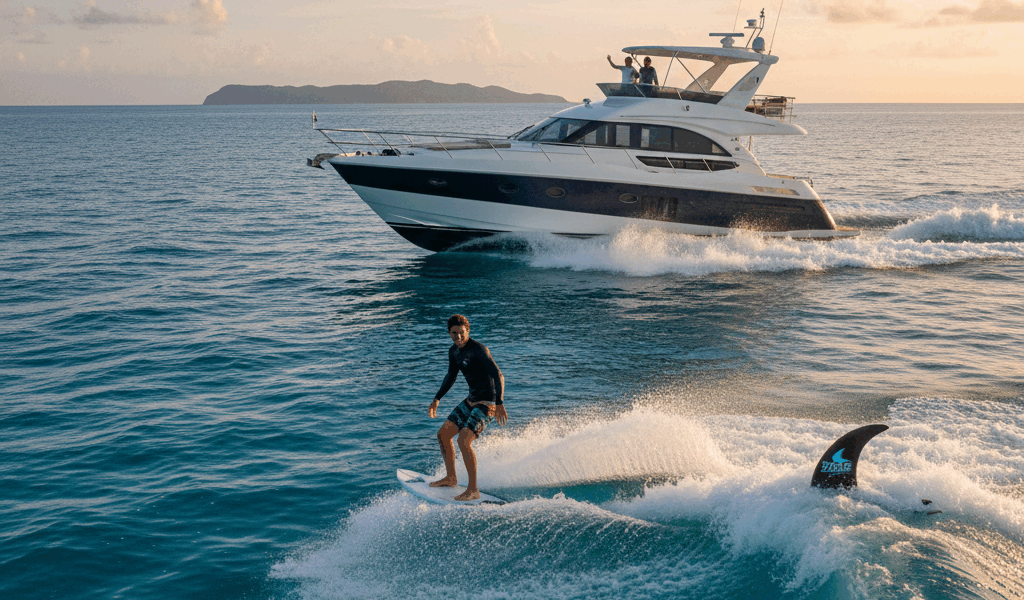
Wakesurfing: An Engaging Water Sport
Wakesurfing has gotten complicated with all the board types, ballast configurations, and technique variations flying around. As someone who has spent years behind various boats learning this addictive sport, I learned everything there is to know about what separates good wakesurfing from frustrating attempts. Today, I will share it all with you.

The Origins of Wakesurfing
Wakesurfing has captured the interest of water sports enthusiasts around the world. Unlike traditional surfing, wakesurfing relies on a boat to generate a wave for the rider, allowing for a novel experience that blends elements of surfing with wakeboarding. The roots of wakesurfing trace back to the early 20th century when surfers experimented with riding waves created by motorboats.
Throughout the decades, wakeboarding gained popularity first, and this led to innovations that paved the way for modern wakesurfing. In the 1990s, dedicated wakesurf boards emerged, marking a shift as enthusiasts sought longer ride times. Boats equipped with ballast systems became more common, allowing for the creation of custom wakes—probably should have led with this section, honestly, since the right boat makes all the difference.
Equipment and Gear
Wakesurfing gear isn’t overly complicated compared to other water sports. Beginners can start with a basic setup without breaking the bank. The primary items needed include a wakesurf board and a wakesurf-specific boat.
- Wakesurf Board: Boards for wakesurfing are typically shorter and thicker than surfboards. There are several types, including skim style and surf style, each offering different riding experiences.
- Boat: A wakesurfing boat has a specific hull design and ballast system. These features help manage wake size and shape, which is crucial for the sport’s success.
- Rope and Handle: Though not necessary after gaining balance, a rope helps beginners position themselves in the wake initially.
- Life Vest: Personal flotation devices are essential for safety, regardless of skill level.
Learning the Basics
Grasping the basics of wakesurfing involves understanding wave creation and positioning. Beginners should start with controlled environments where smooth waters are ideal for learning balance and technique without fighting chop.
Riders should crouch on the board when first getting up, keeping weight centered. The boat accelerates slowly to create the right wave with proper shape and push. As comfort increases, the goal is to release the rope and ride the wave independently—a moment that feels magical the first time it happens.
Boat Specifications and Setup
Wakesurfing boats are designed with safety and efficiency in mind. The propeller is usually inside a recess to avoid injury should someone fall near the stern. These boats come equipped with ballast tanks that fill compartments with water to create a bigger wake.
Drivers can adjust ballast levels and speed to tailor the wake for different skill levels. Enthusiasts often collaborate to achieve the ideal wave, experimenting with weight distribution. The best waves are typically three to four feet in height for wakesurfing, though preferences vary.
Advanced Techniques and Tricks
Once fundamentals are mastered, riders begin exploring advanced techniques that add challenge. Tricks add flair and personal style to wakesurfing. Spins, such as the 360, involve spinning the board around while maintaining balance and staying in the wave’s sweet spot.
Aerial tricks are also popular among experienced riders. These require riders to pop off the wave to achieve air, which looks impressive but demands practice. Successful execution demands precise timing and control. That’s what makes wakesurfing endearing to us water sports enthusiasts—there’s always something new to learn and master. Advanced riders experiment with combinations, continually pushing boundaries.
Safety Considerations
Safety remains a priority in wakesurfing despite its relatively safe nature. It’s crucial to ride with knowledgeable drivers who understand boat positioning and ensure all equipment is in good condition. Riding in designated areas minimizes the risk of accidents with other watercraft.
Properly maintaining the boat and equipment adds an extra layer of precaution. Riders are encouraged to remain aware of their surroundings at all times. Utilizing hand signals with the boat crew ensures clear communication when verbal communication fails over engine noise.
Environmental Impact
Wakesurfing, like any water sport, interacts with the environment in ways practitioners should consider. Enthusiasts should practice eco-friendly habits to preserve water ecosystems for future generations. Using four-stroke engines, which are quieter and cause less pollution than two-strokes, is recommended.
Riders should also be mindful of local wildlife and nesting areas. Disturbing habitats can lead to regulatory repercussions and closures of favorite wakesurfing spots. Responsible wakesurfing involves respecting natural settings and fellow nature enthusiasts.
Choosing the Right Board
Selecting the appropriate wakesurf board depends on skill level and personal preference. Skim-style boards cater to lighter, faster tricks and allow for quick maneuvers and spins that experienced riders love.
Surf-style boards offer stability and are suited for riders who enjoy carving long, flowing turns. Beginners may find surf-style boards easier to control initially. As experience grows, riders may transition between styles for varied experiences or own multiple boards.
The Community Aspect
Wakesurfing is as much about community as it is about sport. Events and competitions bring enthusiasts together from different regions. These gatherings foster a vibrant culture centered around sharing tricks, tips, and experiences.
Local clubs and online forums provide spaces for engagement. Beginners find mentorship from experienced riders, while seasoned surfers exchange innovative ideas. The wakesurfing community continues to expand, welcoming new members year after year with open arms.
The Health Benefits
Physically, wakesurfing offers a robust workout that engages multiple muscle groups. It engages core stabilizing muscles, improving balance and coordination significantly. Regular participation can lead to enhanced cardiovascular health without the joint stress of running.
Mentally, the sport promotes relaxation and stress reduction. Being on the water provides a calming effect that office workers crave. The challenge of learning wakesurfing also builds determination and focus that carries over into other areas of life.
Exploring New Places
Wakesurfing can lead to adventures in new waters across different regions. From serene lakes to bustling rivers, each location offers unique experiences and challenges. Sandy beaches or scenic mountain backdrops add to the allure of this sport.
Traveling with wakesurfing in mind introduces riders to diverse cultures and fellow enthusiasts. Learning local customs and interacting with the global wakesurfing community enriches the experience beyond just riding waves.
Future of Wakesurfing
The trajectory of wakesurfing shows continued growth in popularity and technology. Innovations in equipment continually refine the sport’s accessibility and performance. It’s anticipated that eco-friendly advancements will shape future practices as environmental awareness increases.
On the horizon, virtual reality may transform how aspiring wakesurfers train before hitting the water. Schools and camps continue to proliferate, making wakesurfing more accessible than ever before to people of all ages.
Getting Started in Wakesurfing
Access to wakesurfing is becoming easier with more rental services and instruction options. Rental services offer equipment for newcomers who want to try before investing. Beginner lessons provide a foundation for safe and enjoyable experiences.
Enthusiasts recommend starting with a group for motivation and safety. Learning alongside others fosters encouragement and friendly competition. Selecting the right instruction source ensures a positive introduction to the sport.
Wakesurfing combines athleticism, community, and adventure in ways few water sports can match. Its accessible nature and diverse appeal ensure that this engaging water sport will thrive in the years to come.
Recommended Boating Gear
Stearns Adult Life Vest – $24.99
USCG approved universal life jacket.
Chapman Piloting & Seamanship – $45.00
The definitive guide to boating since 1917.
As an Amazon Associate, we earn from qualifying purchases.




Stay in the loop
Get the latest passage maker mag updates delivered to your inbox.