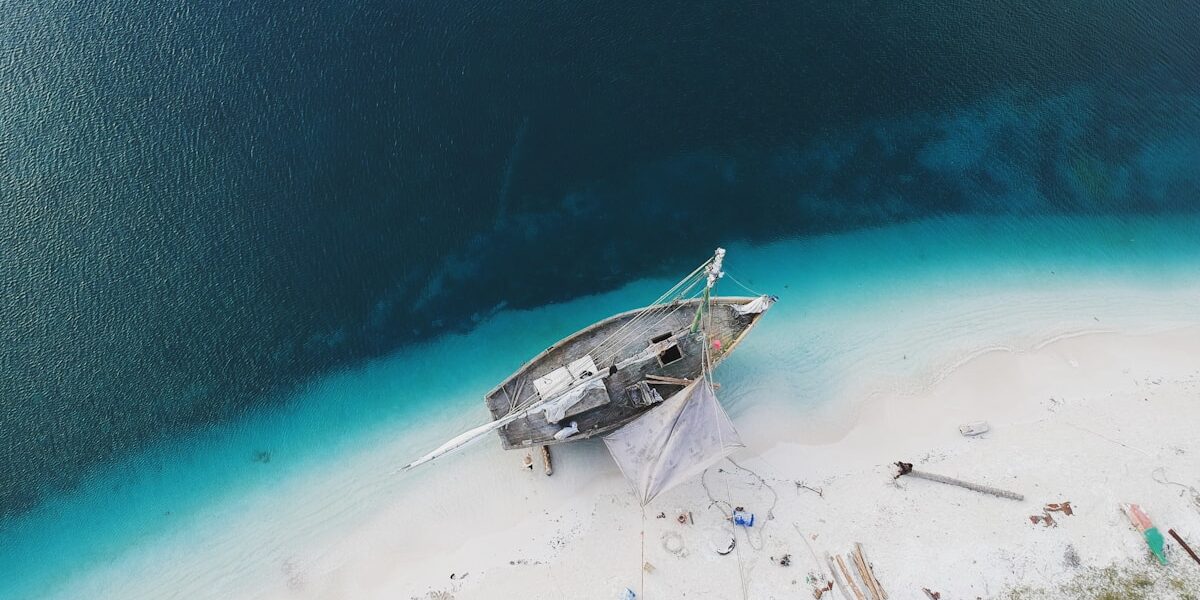
Choosing between a trawler, sailboat, or catamaran has gotten complicated with all the tribal opinions flying around. As someone who has spent time aboard all three and helped dozens of cruisers make this decision, I learned everything there is to know about what each platform actually delivers. Today, I will share it all with you.
Why Trawlers Win for Some Cruisers
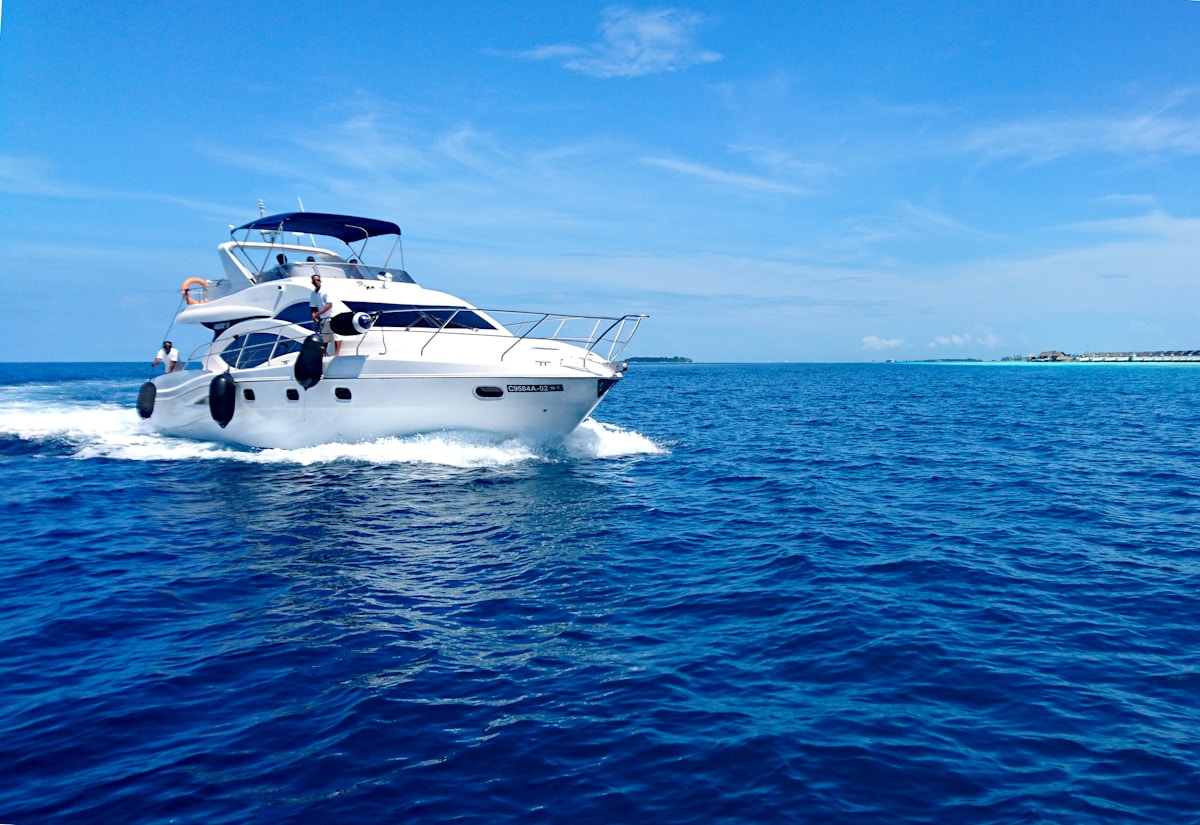
I’ll be honest – I love the interior volume of a well-designed trawler. Full-beam salons, multiple staterooms, stand-up engine rooms where you can actually work. Extended living aboard feels comfortable, not cramped. Climate control works efficiently when you have enclosed spaces to condition.
Trawlers go when you want to go. No waiting for wind. No wrestling with sail angles. Modern stabilization systems reduce rolling underway enough that even seasick-prone crew can manage. And predictable daily distances make passage planning simple – you’ll make your destination when you planned to.
The downsides? Fuel. A trawler burning 4 gallons per hour at cruise needs 100 gallons daily. Tank capacity and fuel availability constrain where you can go. Engine dependence means mechanical reliability becomes critical. Break down in the wrong place and you’re in trouble.
The Sailing Argument
Sailboats harvest free energy from the wind. Trans-oceanic voyages become practical without worrying about fuel. The silence of sailing – just water and wind – adds something to the experience that’s hard to explain until you’ve felt it.
Probably should have led with this section, honestly. For many cruisers, the seamanship satisfaction of harnessing nature matters as much as the destination.
Modern cruising sailboats have become remarkably comfortable. Cutter and ketch rigs split sail area for easier handling. Furling systems minimize deck work in rough conditions. And yes, many sailors motor more than they’d admit publicly. But the option to sail whenever conditions cooperate – that’s the point.
Trade-offs include less interior volume than trawlers, more complex systems to maintain, and real dependence on weather windows. Mast and rigging maintenance adds cost that catches new owners off guard. Some destinations require specific approach angles that wind direction may not permit when you arrive.
Why Catamarans Keep Growing in Popularity
Cruising cats combine stability, space, and sailing ability in ways neither monohull can match. Their wide beam provides living space that feels like a small apartment. Level sailing without heeling appeals to many, particularly crew who get seasick on monohulls.
Shallow draft opens cruising grounds that deep-keel boats can’t access. Beach landings become possible. The Bahamas, Pacific atolls, anywhere with thin water – cats go places other boats anchor offshore from. Two engines provide redundancy that single-engine boats lack.
That’s what makes catamarans endearing to us cruisers who’ve dealt with tight spaces and heeling – they solve real problems.
Cost is the major downside. Catamarans command premium prices new and used. Marina fees typically charge by beam, often doubling what a monohull pays. Finding slips for 20+ foot beam in crowded marinas challenges cruisers in some regions.
How to Actually Decide
Consider where you’ll cruise. Local coastal work has different requirements than Pacific circumnavigation. Think about how you’ll live aboard – what daily life looks like matters more than theoretical passages you may never make. And be honest about who’s crewing. Reluctant partners or inexperienced guests change the equation.
Test sail multiple platforms before deciding. The right boat is ultimately the one that gets you out cruising rather than waiting for some theoretically perfect vessel that never materializes. I’ve seen more cruising dreams die in dock slips than at sea.


Stay in the loop
Get the latest passage maker mag updates delivered to your inbox.