
Yacht buying has turned into a moving target with all the market changes and financing options flying around. As someone who has bought and sold multiple boats and helped countless friends through the process, I dug into the practical details of making this major purchase without losing your shirt. Today, I will share it all with you.
Understanding Your Boating Goals
Probably should have led with this topic, to be honest. Before browsing listings, take time to honestly assess how you’ll use your yacht. Weekend cruises to nearby islands require different capabilities than extended offshore passages. Entertaining large groups demands different layouts than intimate family getaways. Write down your primary use cases and prioritize them—be honest with yourself.
Consider where you’ll keep the boat. Marina slip fees vary dramatically by location, sometimes exceeding the monthly payments themselves. Some areas have lengthy waitlists for desirable slips. Research availability and costs in your preferred locations before committing to a boat size that may not fit available berths.
Think about your crew situation. Will you single-hand frequently, or always have experienced help aboard? Some yachts are designed for minimal crew, while others require multiple hands for safe operation. Be realistic about your own skill level and physical capabilities, especially for handling lines and anchors. Your back will thank you later.
Setting a Realistic Budget
That’s what makes proper budgeting endearing to us experienced boat owners—it prevents the heartbreak that comes from being underwater on a boat you can’t afford to keep. The purchase price represents only a fraction of yacht ownership costs. Industry experts suggest budgeting 10-15% of the boat’s value annually for maintenance, insurance, and dock fees. A $500,000 yacht might cost $50,000-75,000 per year to own, not including fuel for actual use.
Break down your budget into categories. Purchase price comes first, but don’t forget survey costs, documentation fees, delivery expenses, and initial outfitting. Many buyers overlook the cost of safety equipment, electronics upgrades, and personal gear needed before the first voyage.
Consider financing options carefully. Marine loans typically require larger down payments than home mortgages, often 20% or more. Interest rates tend to run slightly higher than home loans. Shop multiple lenders, including credit unions and marine-specific financing companies, to find the best terms.
New boats depreciate significantly in the first few years. A three-year-old yacht often represents substantial savings over new, while still having many years of service life remaining. However, older boats may require more immediate maintenance. Balance initial savings against potential repair costs—sometimes cheap is expensive.
Types of Yachts to Consider
Motor yachts offer speed and convenience but consume more fuel. Sailing yachts provide the romance of wind power but require more skill and physical effort. Motorsailers attempt to combine both worlds but may compromise on each. Decide which experience aligns with your vision.
Hull designs affect stability, speed, and comfort differently. Planing hulls reach higher speeds but provide rougher rides in waves. Displacement hulls cruise efficiently but have lower top speeds. Semi-displacement hulls offer a middle ground. Research how each performs in your intended cruising grounds.
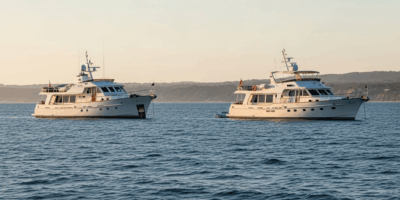
Fly-bridge designs provide excellent visibility and entertaining space but add windage and maintenance. Sedan configurations offer lower profiles and potentially more protected cockpits. Sportfish layouts prioritize fishing functionality. Consider which arrangement suits your activities.
Construction materials range from fiberglass to aluminum to steel to wood. Each has advantages and drawbacks. Fiberglass requires less maintenance but can suffer osmotic blistering. Aluminum resists impacts but requires careful attention to corrosion. Steel offers strength for blue-water cruising but needs constant maintenance in salt water. Wood delivers classic beauty but demands dedicated upkeep.
New vs. Pre-Owned Considerations
New yachts come with warranties and the latest technology. You can customize options during construction. However, you’ll pay premium prices and face immediate depreciation. Manufacturing delays can extend for years with popular builders.
Pre-owned yachts offer proven track records. You can research how the model has performed for other owners. Previous owners have often added valuable upgrades and accessories. Prices typically reflect actual market value rather than manufacturer aspirations.
When considering pre-owned boats, examine the ownership history carefully. Boats that changed hands frequently may have underlying issues. Long-term single owners often maintained vessels more carefully. Ask for maintenance records and receipts—sellers who can’t produce them are waving red flags.
Consider the model’s reputation. Some yacht lines have known issues with specific systems or components. Online forums and owner associations provide candid feedback that sales literature omits. Research extensively before viewing boats in person.
The Survey Process
Never purchase any yacht without a professional marine survey. This inspection by a certified surveyor examines hull condition, systems functionality, and safety compliance. Surveys typically cost $25-50 per foot of boat length. This investment protects against costly surprises that could dwarf the survey cost.
Choose a surveyor experienced with your boat type. Someone who specializes in fiberglass sailboats may miss issues on an aluminum motor yacht. Ask for references and verify credentials through professional organizations like SAMS or NAMS.
Attend the survey in person. This provides invaluable education about your potential new vessel. Ask questions throughout the process. A good surveyor will explain what they’re examining and why certain conditions matter. A surveyor who won’t let you follow along is not the right surveyor.
The sea trial tests systems under actual operating conditions. Engines should reach proper temperatures and pressures. Steering should respond appropriately. Electronics should function as expected. This is when latent problems often reveal themselves.
After receiving the survey report, negotiate accordingly. Significant issues justify price reductions or seller-paid repairs. Minor cosmetic issues may not warrant renegotiation. Work with your broker to determine appropriate responses to findings.
Financing and Documentation
Marine financing differs from typical consumer loans. Lenders require current surveys, insurance proof, and often appraisals before approval. Allow additional time for paperwork compared to other major purchases.
Coast Guard documentation provides federal registration for vessels. This offers certain legal protections and may be required for financing. State registration is the alternative for smaller, locally-operated boats. Discuss requirements with your lender and attorney.
Title searches verify the seller’s right to convey ownership. Maritime liens can attach to vessels for unpaid bills, even following you as the new owner. Proper searches protect against inheriting previous owner’s debts—you don’t want that surprise.
Closing typically involves an escrow company or maritime attorney. They coordinate document signing, fund transfers, and registration filing. Budget several weeks for closing processes, especially for first-time buyers navigating unfamiliar procedures.
Insurance Requirements
Marine insurance differs from auto or home policies. Agreed value policies pay stated amounts in total losses, while actual cash value policies depreciate. Navigation limits restrict where you can operate without additional coverage. Lay-up periods may reduce premiums for boats stored seasonally.
Liability coverage protects against injuries to others and damage to property. Most marinas require minimum coverage amounts. Consider your potential exposure when selecting limits. Umbrella policies may extend coverage beyond primary limits.
Many policies exclude certain activities. Racing, commercial charter, and extended offshore passages often require additional endorsements. Read policy language carefully and discuss your intended uses with your agent before you need to file a claim.
Taking Delivery
Commissioning a new yacht involves extensive preparation. Systems must be activated and tested. Electronics require programming. Safety equipment needs installation. Allow time for proper commissioning rather than rushing to take possession—patience now prevents problems later.
For pre-owned boats, transition includes owner orientation. Previous owners can explain peculiarities and preferred procedures. Document their advice, as you’ll likely forget details by the time questions arise later. Video the walkthrough if they’ll let you.
Stock the boat appropriately for your first voyage. Safety equipment, navigation materials, lines, fenders, and basic tools should be aboard before leaving. Make a comprehensive checklist to avoid departing unprepared.
Consider professional delivery for distant purchases. Experienced captains can identify issues during the voyage while you travel separately. This also provides additional break-in time for engines and systems.
Ongoing Ownership
Establish a maintenance schedule immediately. Engines require regular service intervals. Hull bottoms need periodic attention. Systems benefit from routine inspection. Create a log book tracking all maintenance and expenses—you’ll thank yourself when it’s time to sell.
Join owner associations for your boat type. Fellow owners share valuable knowledge about common issues and effective solutions. Many associations offer technical resources, group purchasing discounts, and social gatherings that turn into lasting friendships.
Consider captain training even if you have experience. Learning your specific vessel’s handling characteristics in controlled conditions builds confidence for challenging situations. Many insurance companies offer premium discounts for completing approved courses.
Budget for the unexpected. Systems will fail at inconvenient times. Parts may require lengthy shipping. Professional help may not be immediately available. Maintaining emergency funds for repairs prevents financial stress during ownership.
Final Thoughts
Yacht ownership offers incredible rewards: freedom, adventure, relaxation, and family memories that last lifetimes. Approaching the purchase systematically maximizes your chances of finding the right vessel at the right price, setting you up for years of enjoyable boating.
Take your time. The right boat at the right price will appear. Rushing into a poor decision creates years of regret. Patience during the search pays dividends throughout ownership.
Welcome to the boating community. Fair winds and following seas await.


Stay in the loop
Get the latest passage maker mag updates delivered to your inbox.